Busbar Production Line Tooling and Fixtures
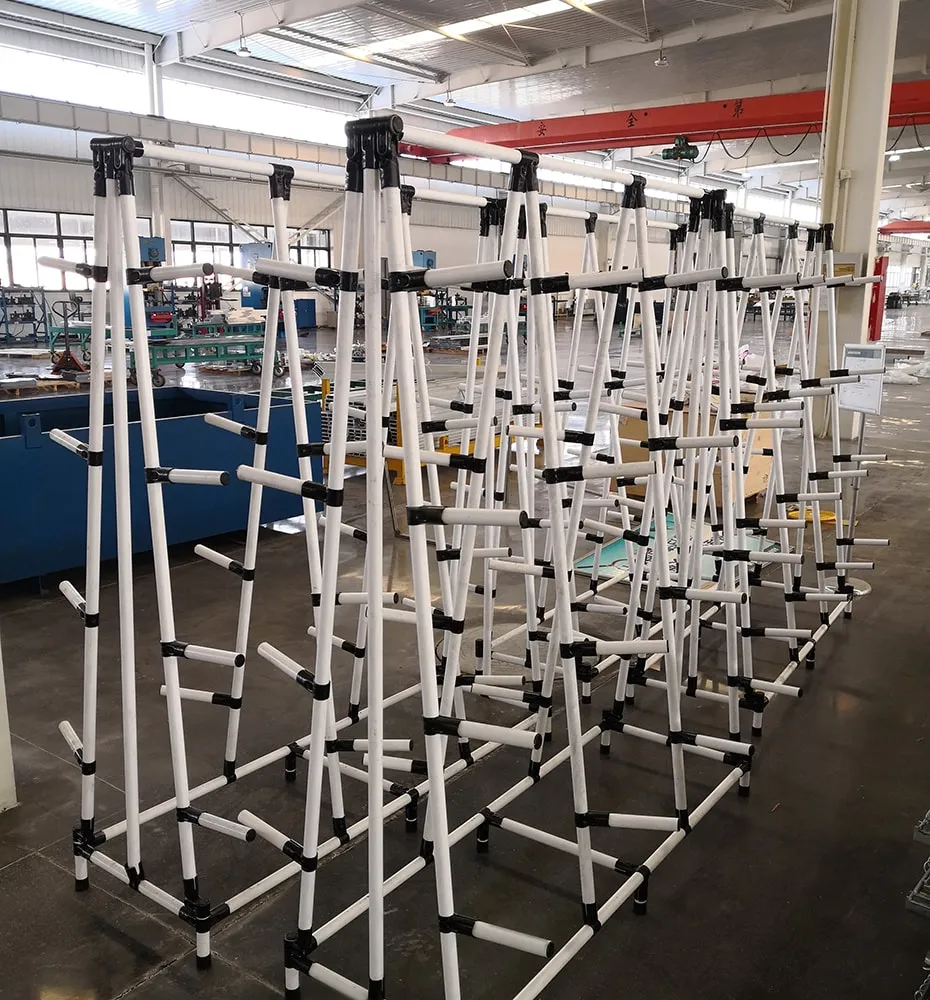 Modular Rack System (Cantilever Rack)
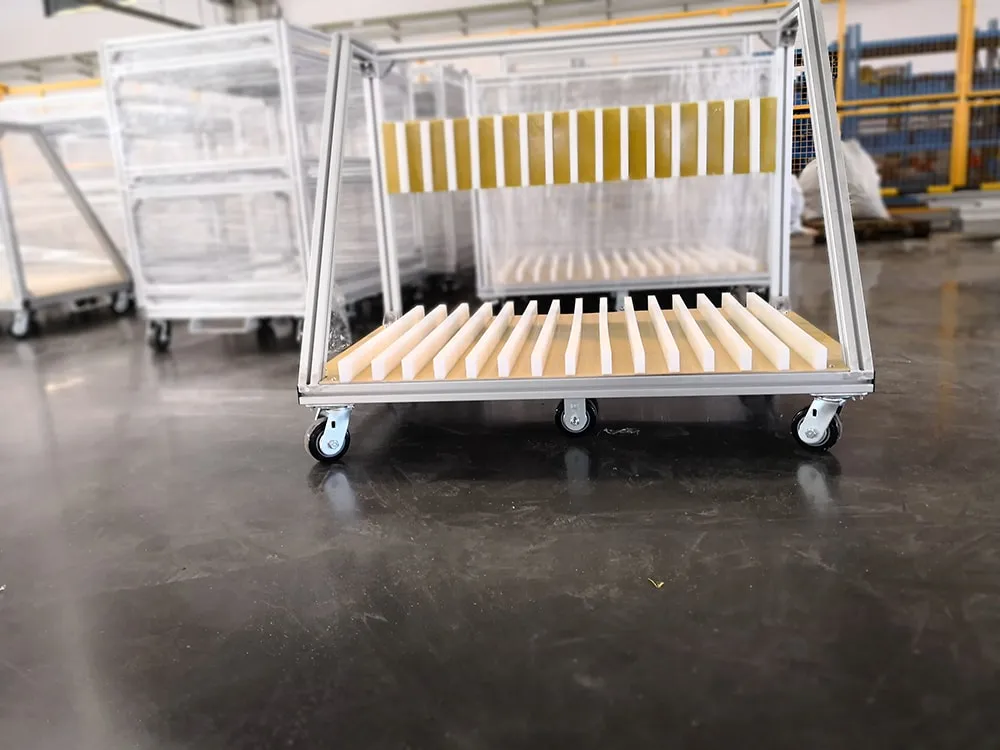 Work-in-Process Cart
The smooth operation of a switchgear production line depends not only on the quality of the production equipment but also on the supporting tooling and workstation fixtures used along the line. Auxiliary tools such as workstation devices and positioning fixtures help support different production steps and maintain efficient workflow. These supporting tools enable timely material supply to each workstation, supporting efficient production flow and smooth operation of the assembly line. It ensures that the materials are delivered to each workstation when needed and helping the production line operate smoothly.
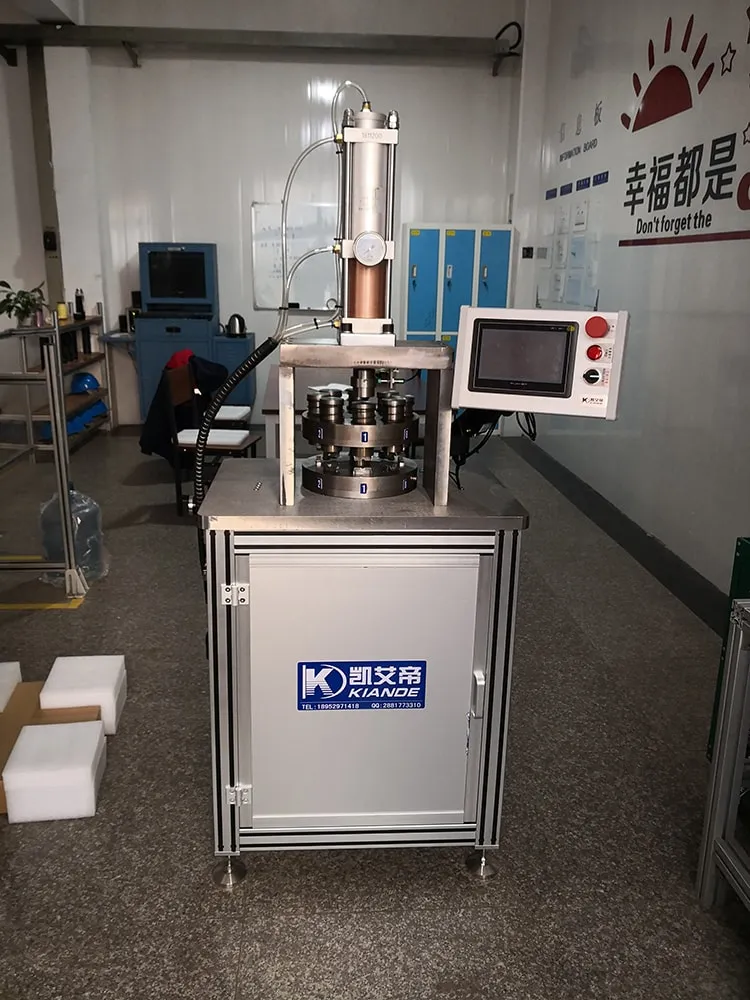
| Model | |
| Number of Workstations | 8 stations |
| Max. Diameter of Cable | 240mm² |
| Press Mechanism | Hydraulic or pneumatic-hydraulic actuation |
| Crimping Force | 5 tons |
| Turret Drive | Manual or electric |
| Working Plate Size (L×W) | 800×800mm |
| Dimensions (L×W×H) | 1600×800×800mm |
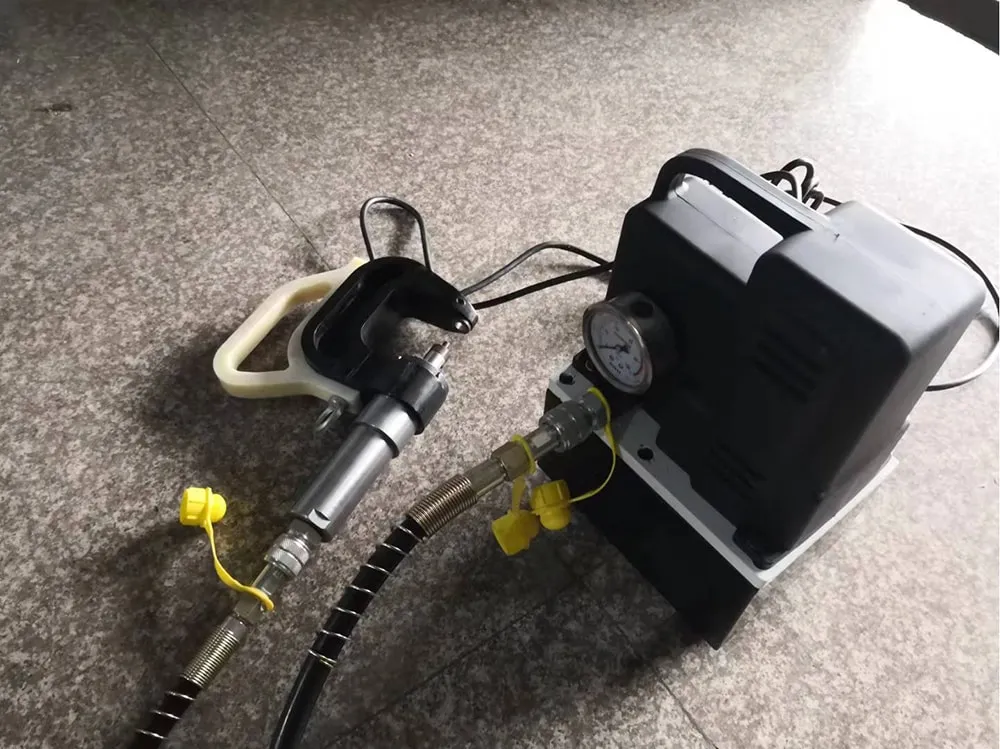
The rivet remover is used when riveted busbar components need to be disassembled due to assembly issues or adjustments during production. It allows operators to remove installed rivets quickly and safely without damaging surrounding components.
It removes rivets by punching them out from the joint, making it easier to disassemble parts and correct assembly issues during busbar production.
| Model | |
| Power Supply | Charging/plug-in |
| Max. Pressure | 70MPa |
| Stroke/Distance | 25mm |
| Oil Capacity | 3L |
| Anti-Wear Hydraulic Oil | 32# |
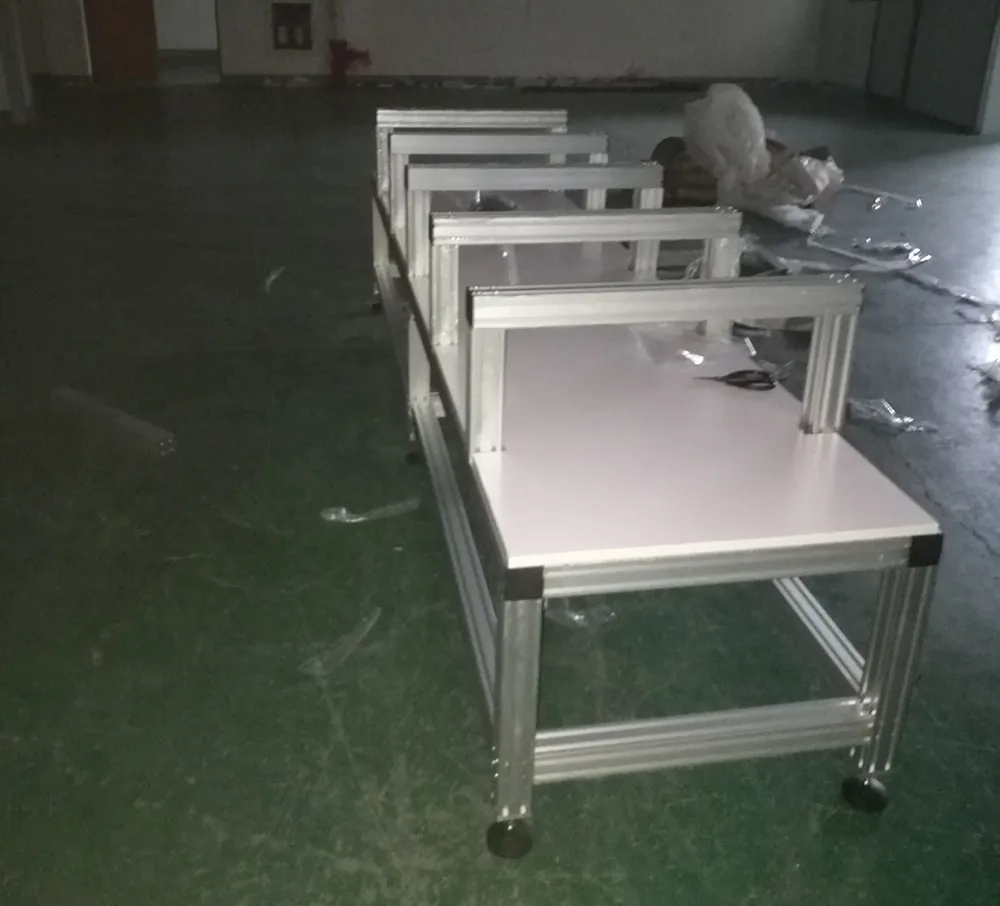
Busbar insulation wrapping tables are used to support manual wrapping work on busbar conductors during production. The stable and open working area makes it easier to position busbar conductors, prepare insulation materials, and carry out manual wrapping work more smoothly before the product moves to the next process.
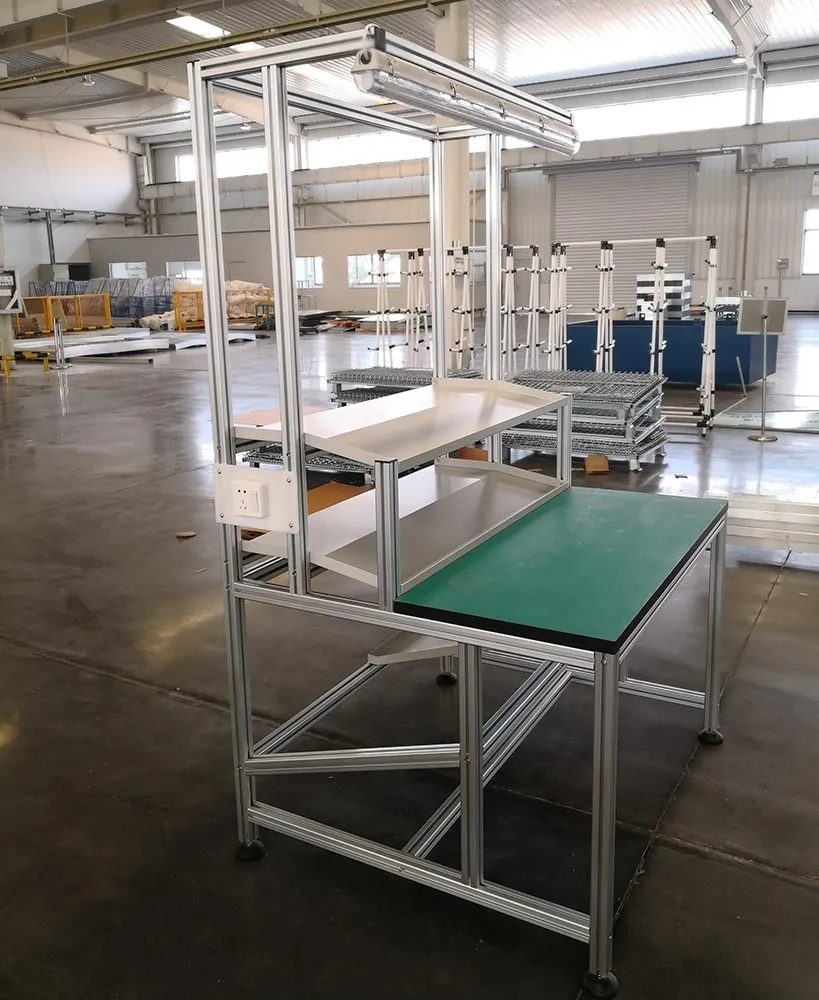
Busbar assembly workstations with lifting mechanism are generally used to assist with the assembly and positioning of two busbar sections during installation of double-layer busbars. After the first busbar is assembled, it is lifted and held in position by the hanger while the next busbar section enters the assembly area.
The upper busbar can then be lowered onto the busbar below for connection and secure fastening, allowing the two busbars to be installed together in a double-layer configuration. The lifting mechanism can be supplied with either electric or pneumatic drive, depending on project requirements.
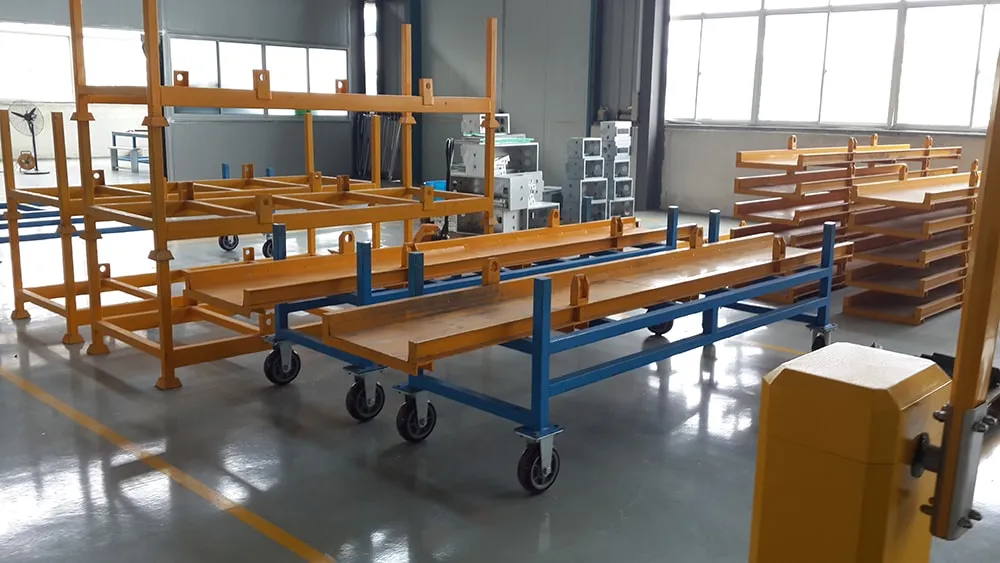
The running trolley is used to transport busbar conductors such as copper or aluminum bars, as well as structural profiles, between different production processes. It allows materials to move smoothly from one workstation to the next during busbar fabrication. The trolley is constructed with a welded steel frame, providing a stable structure with reliable durability while maintaining a clean and practical design.
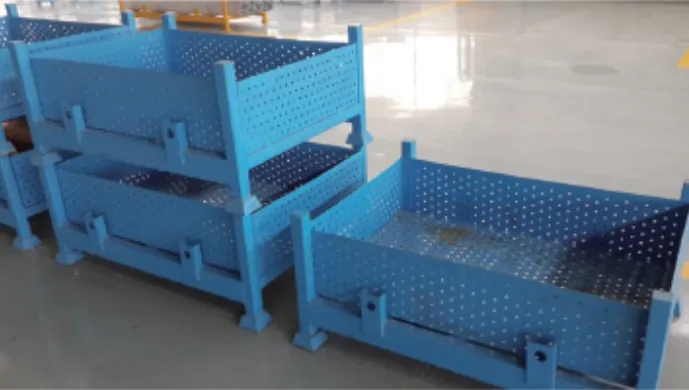
Industrial storage bins can store various components related to busbar connectors. They are capable of holding accessories such as cut profiles, busbar conductors, and finished connector parts during the production and assembly process. The storage bins can be transported using a forklift or overhead crane, allowing convenient movement between different workstations or storage areas.